Regulatory Shifts Inspire Creative Free Spin Variations in British App-Based Jackpot Offerings
Eden Baumann · Oct 12, 2026
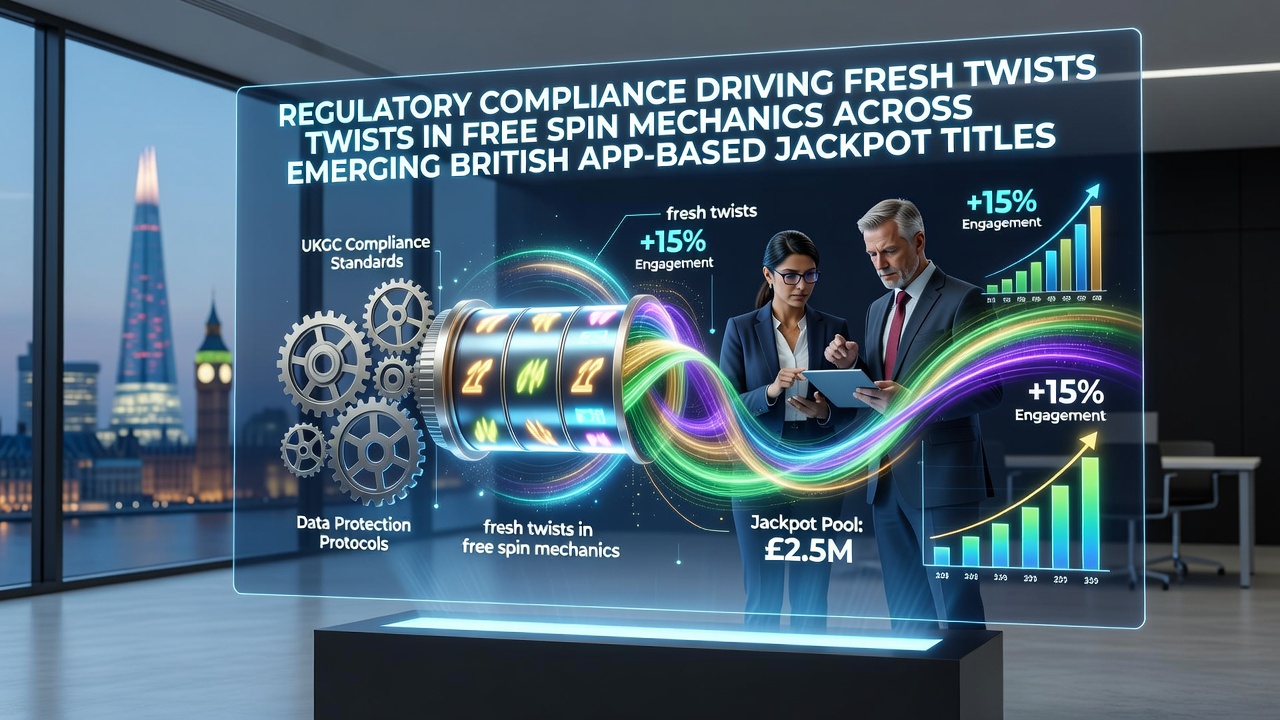
Regulatory Shifts Inspire Creative Free Spin Variations in British App-Based Jackpot Offerings
Regulatory frameworks across multiple jurisdictions continue to influence how developers approach free spin mechanics in emerging British app-based jackpot titles, with changes becoming particularly noticeable as operators prepare for updates scheduled around October 2026. Data from industry reports shows that these adjustments often center on fairness metrics, return-to-player calculations, and player protection features that must integrate seamlessly into mobile environments.
Core Compliance Elements Shaping Spin Features
Developers working on these platforms frequently incorporate elements such as transparent probability displays and capped bonus frequencies because regulations in various regions emphasize verifiable randomness, and this approach extends to British titles seeking broader market compatibility. One study from the University of Nevada's International Gaming Institute revealed that titles incorporating real-time audit logs for free spin triggers maintain higher compliance scores when reviewed by external testing labs.
App-based formats add another layer because screen size constraints and touch interfaces require mechanics that feel responsive while meeting strict technical standards for outcome verification. Observers note that many studios now embed adjustable volatility settings within free spin rounds, allowing the same title to adapt across different regulatory environments without requiring separate builds.
Examples from Recent Title Launches
Take one developer team that redesigned a progressive jackpot app to include staggered free spin multipliers triggered only after specific wager thresholds, a structure that aligns with guidelines from the Malta Gaming Authority on bonus proportionality. This mechanic appears in several new releases where players encounter progressive unlock sequences rather than instant bonus access, reducing the risk of perceived over-promising.
Another case involves titles that integrate mandatory cool-down periods between free spin sessions, a feature drawn from Australian regulatory models that prioritize session management. Research indicates these pauses help maintain adherence to spending limit tools that British operators must offer, and the implementation shows up as brief animation sequences that reinforce the pause without disrupting overall flow.

Technical Adaptations in Mobile Environments
Since British app-based platforms operate within ecosystems that demand rapid updates, many studios now use modular code frameworks for free spin engines, which permits quick swaps of trigger conditions or payout tables when regional rules shift. Figures from the European Gaming and Betting Association show that operators adopting such modular systems reduced revision cycles by roughly 30 percent in the past year, allowing them to respond to compliance queries more efficiently.
Touch-optimized animations also receive attention because regulations often require clear visual feedback during bonus rounds to confirm that outcomes remain independent of player input. This results in designs where free spins unfold with distinct visual markers for each regulatory checkpoint, such as displayed seed values or hash verifications that users can access through menu options.
Industry Patterns Emerging in 2026
By October 2026 several patterns have solidified across new releases, including the use of hybrid free spin modes that blend fixed and variable elements to satisfy both entertainment value and audit requirements. Those who've examined multiple titles observe that jackpot accumulation during free spins now frequently ties to separate contribution rates that prevent any single feature from disproportionately influencing overall game mathematics.
Link to a detailed analysis from the Australian Gambling Research Centre highlights similar trends in mobile formats, where compliance-driven modifications appear in mechanics like randomized spin counts and capped win ceilings. Another report from the American Gaming Association notes parallel developments in North American markets, suggesting these adaptations represent a broader industry response rather than isolated regional adjustments.
Conclusion
Regulatory compliance continues to prompt measurable changes in how free spin mechanics function within emerging British app-based jackpot titles, with developers favoring adaptable, transparent systems that accommodate multiple rule sets. These shifts manifest through modular design choices, verified randomness features, and session management tools that integrate directly into the mobile experience. As operators align with evolving standards expected around October 2026, the resulting titles demonstrate how technical and regulatory considerations merge to shape bonus structures that remain both functional and verifiable across platforms.