British Mobile Casino Operators Merge Loyalty Tiers and Progressive Jackpot Mechanics in Recent Launches
Olivia Zimmermann · Nov 9, 2026
British Mobile Casino Operators Merge Loyalty Tiers and Progressive Jackpot Mechanics in Recent Launches
British operators have started combining loyalty tier structures with progressive jackpot triggers across new mobile platforms launched throughout 2025 and into late 2026, creating systems where player status directly influences jackpot access and contribution rates. Multiple operators rolled out these integrations by November 2026, linking tier progression to specific jackpot pools that activate only after certain loyalty milestones appear in user accounts. Data from industry reports shows these blends emerged as responses to player retention challenges on mobile devices, where traditional bonuses alone failed to maintain engagement over extended periods.
Mechanics Behind the Tier and Trigger Combinations
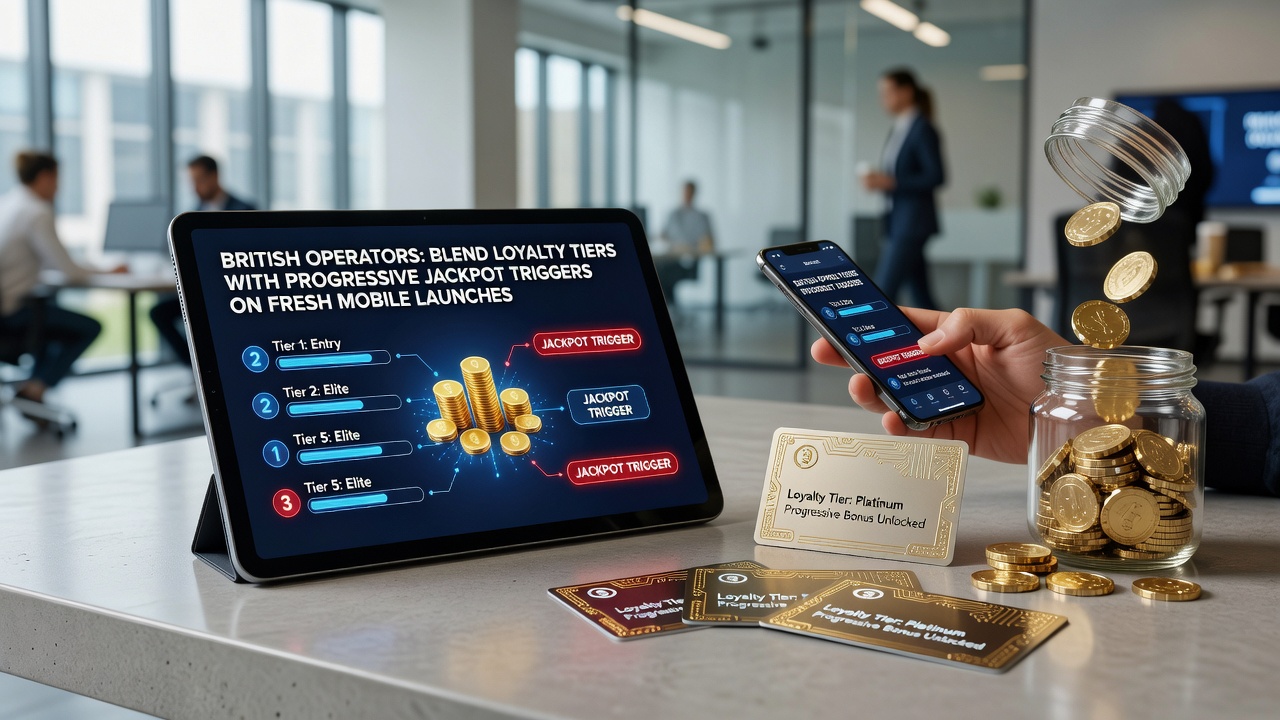
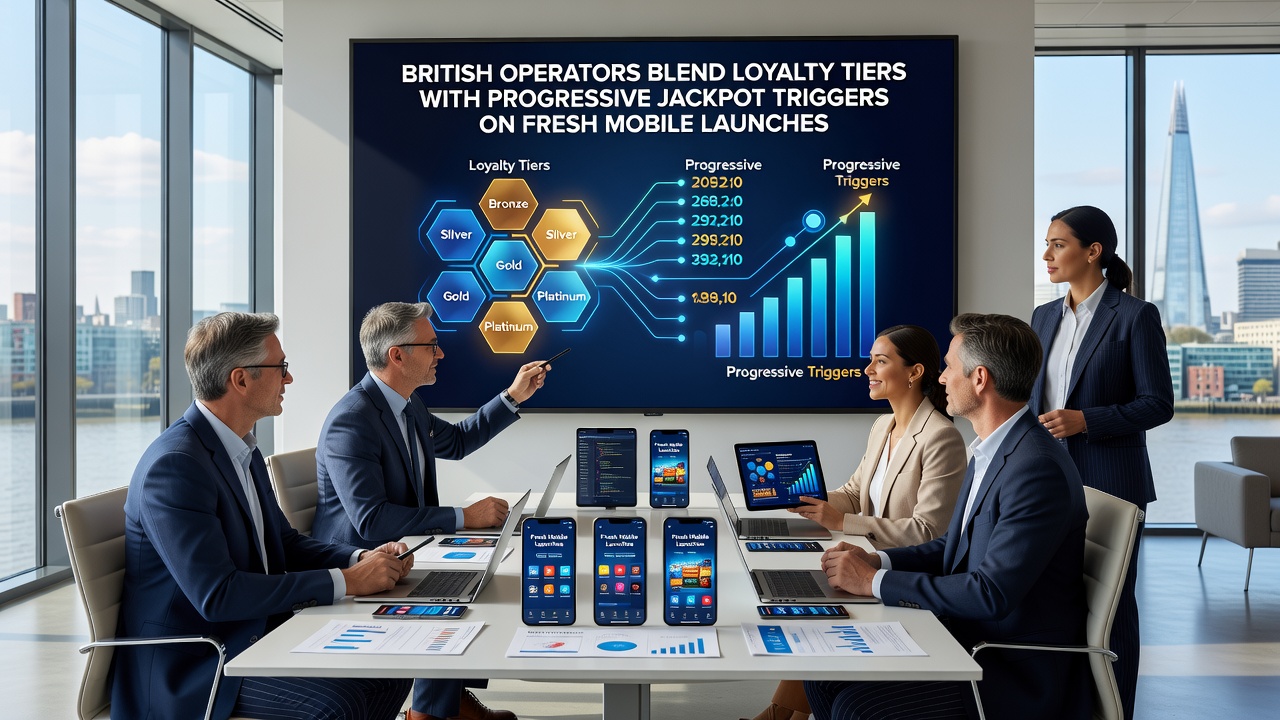
Operators design loyalty tiers so that higher levels unlock enhanced contributions to progressive jackpots, often scaling the percentage of each bet that feeds into shared pools based on a player's current rank. For instance, a bronze tier member might add 0.5 percent of wagers to a network jackpot while gold tier players contribute 1.2 percent, with the difference funded partly through operator reserves. Those who've studied these systems note that triggers activate when players reach predetermined loyalty points, granting temporary multipliers on jackpot wins or exclusive entry into higher-value pools that remain unavailable to lower tiers. This structure appears in several fresh mobile apps released during the second half of 2026, where developers coded the tier status to interact directly with the jackpot server in real time.
One developer documented how the integration required new backend protocols that sync loyalty databases with jackpot management software, ensuring that status changes reflect immediately in trigger eligibility. Research from the American Gaming Association highlights similar tiered contribution models in other markets, though British implementations add mobile-specific features like push notifications that alert users when a tier upgrade unlocks a new jackpot threshold.
Examples from 2026 Mobile Releases
Take one operator that launched a mobile platform in September 2026 and embedded loyalty points as direct inputs for progressive triggers, resulting in documented increases in session length among tiered users according to internal metrics shared with trade groups. Another platform introduced a system where silver tier players gain access to a secondary jackpot that feeds from the main pool only after they complete a set number of loyalty challenges within the app. Observers note that these features rolled out alongside standard mobile optimizations such as faster loading times and simplified deposit flows, yet the loyalty-jackpot link represented the core innovation. Figures from the European Gaming and Betting Association reveal that operators adopting this blend saw measurable shifts in player distribution across tiers within teh first three months of each launch.
Player Behavior Patterns and Platform Adjustments
Players often advance through tiers more rapidly when jackpot triggers tie directly to status levels, because the visible path to higher contributions motivates continued play. Studies conducted by university research teams in Canada found that such linkages increase repeat logins by aligning short-term rewards with long-term status goals. British platforms adjusted their algorithms in 2026 to balance these incentives, capping the rate at which new players climb tiers to prevent rapid saturation of jackpot pools. What's interesting is how some apps now display real-time contribution meters that update based on current tier, giving users immediate feedback on how their status affects the broader jackpot ecosystem.
Additional adjustments include seasonal events that temporarily boost contribution rates for all tiers during specific weeks, a tactic deployed across multiple new launches to coincide with holiday periods in late 2026. These events maintain the tier structure while adding layers that encourage broader participation without altering core rules. Operators track these patterns through anonymized data sets that reveal correlations between tier advancement speed and jackpot win frequency.
Technical and Compliance Considerations
Developers integrated API connections between loyalty management systems and jackpot controllers to handle the blended mechanics without introducing latency on mobile networks. Compliance teams ensured that all trigger conditions remained transparent in app terms, with clear explanations of how tier status influences jackpot eligibility. Industry organizations report that testing phases for these features extended longer than standard updates because operators needed to verify that tier changes did not create unintended advantages in jackpot distribution. By November 2026, several platforms had completed third-party audits confirming that the combined systems operated within established technical standards for fairness and randomness.
Conclusion
The integration of loyalty tiers with progressive jackpot triggers continues to evolve on British mobile platforms as operators refine the balance between status progression and pool contributions. Data indicates sustained adoption across new releases, with technical implementations focusing on seamless synchronization and transparent player communication. Those monitoring the sector expect further refinements in contribution scaling and trigger conditions as additional platforms launch in subsequent periods.